

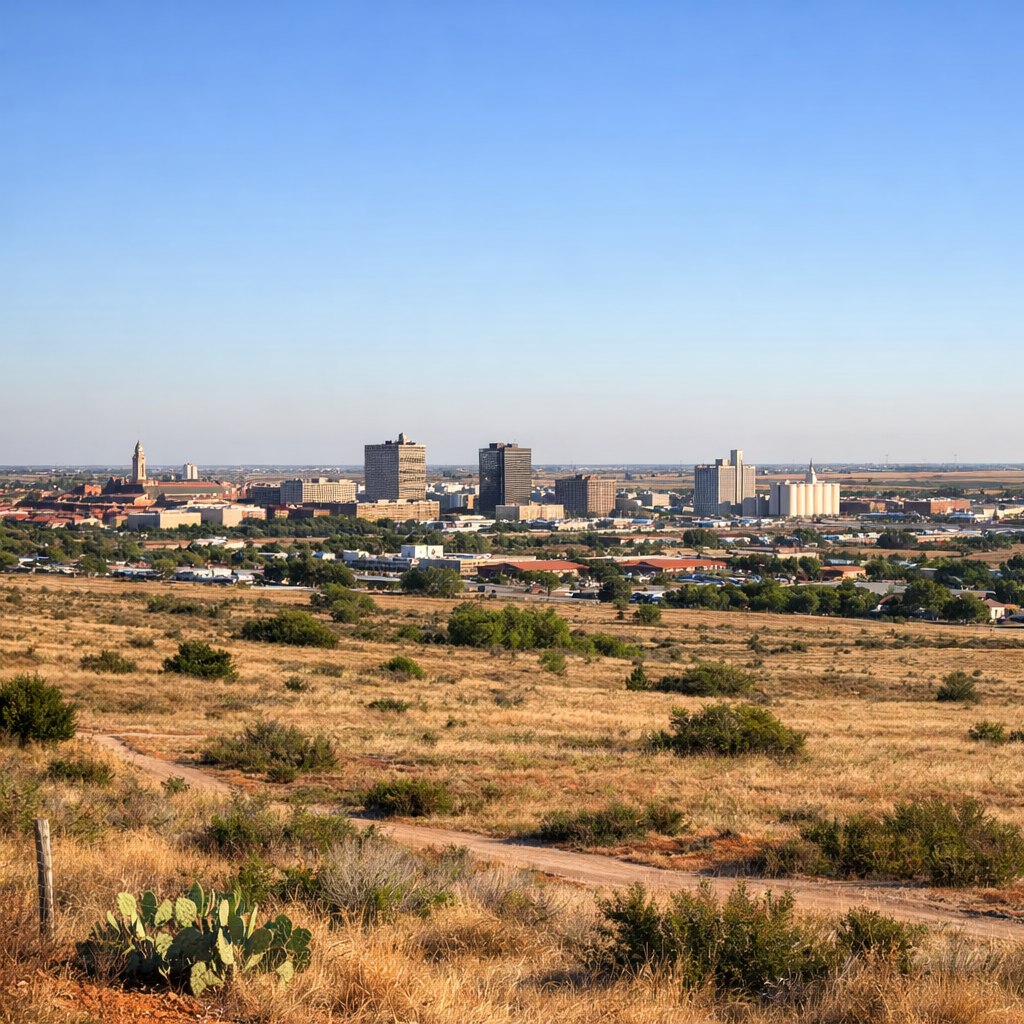
Lubbock, Texas, is characterized by a semi-arid climate, leading to hot summers, cool winters, and relatively low annual precipitation. Understanding these patterns is essential for residents to navigate the local weather effectively.
Seasonal Overview
Summer
Summers in Lubbock are notably hot, with average high temperatures reaching around 92°F (33°C) in July. The city experiences approximately 92 days annually with temperatures exceeding 90°F (32°C). Despite the heat, humidity levels remain moderate, providing some relief during the summer months.
Winter
Winters are generally mild, with average low temperatures in January around 27°F (-3°C). Snowfall is infrequent, averaging about 7 inches (18 cm) per year. While mornings can be cold, afternoons often warm up, making winter days relatively comfortable.
Precipitation
Lubbock receives an average of 18.33 inches (466 mm) of precipitation annually, with May being the wettest month, averaging 2.84 inches (72 mm) of rainfall. The city also experiences about 264 sunny days per year, contributing to its dry climate.
Environmental Considerations
As a city located within Tornado Alley, Lubbock is susceptible to severe weather events, including thunderstorms and tornadoes, particularly during the spring and early summer months. Residents should stay informed about weather forecasts and have emergency plans in place.
Additionally, the region’s semi-arid conditions can lead to droughts, impacting water resources and agriculture. Conservation efforts and sustainable practices are vital to managing these challenges.
Conclusion
By understanding Lubbock’s climate and environmental factors, residents can better prepare for seasonal changes and contribute to the community’s resilience against weather-related challenges.