

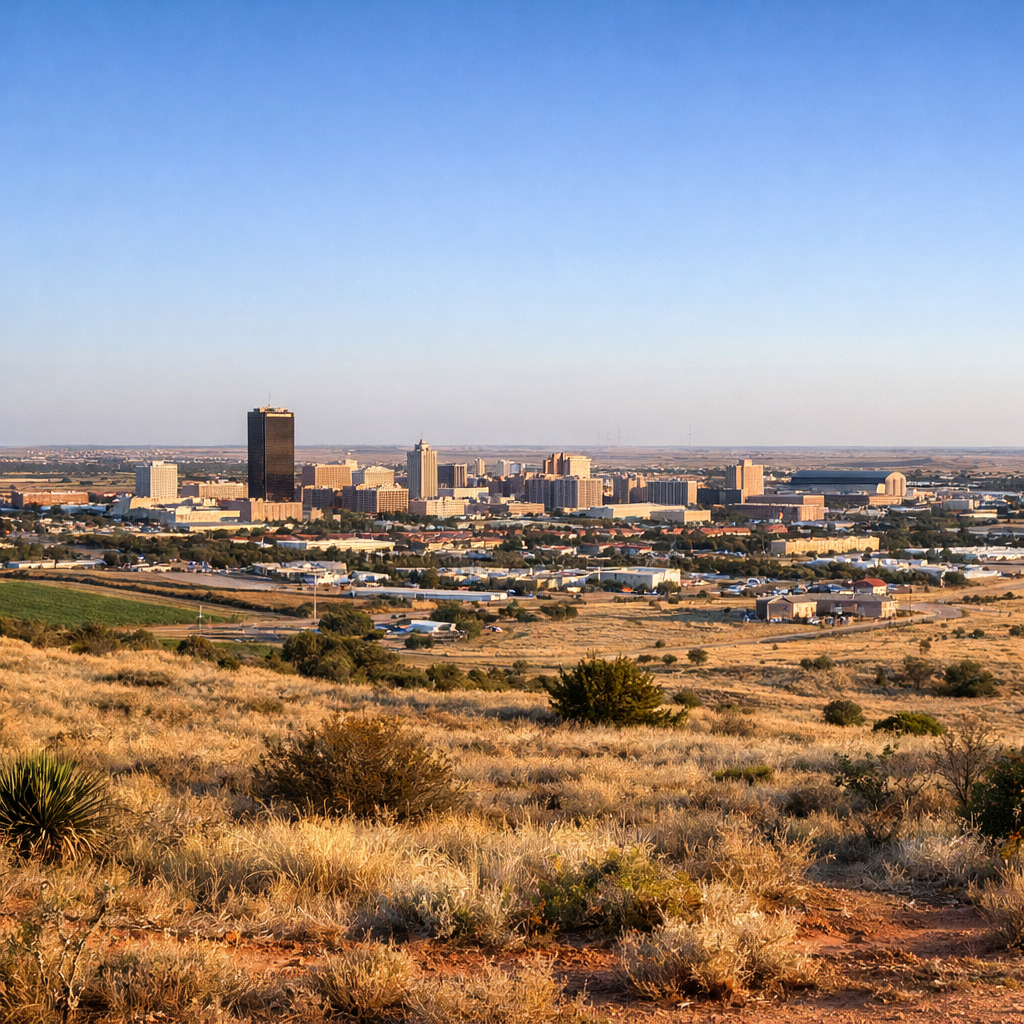
Lubbock, Texas, is characterized by a semi-arid climate, leading to hot summers, cool winters, and relatively low annual precipitation. Understanding these patterns is essential for residents to navigate the local weather effectively.
Seasonal Overview
Summer
Summers in Lubbock are typically hot and dry, with average high temperatures ranging from 94°F to 101°F. The season spans from mid-May to mid-September, offering long, sunny days suitable for outdoor activities. However, residents should be mindful of heat advisories and stay hydrated during peak temperatures.
Winter
Winters are generally cool, with average low temperatures around 25°F. While snowfall is infrequent, averaging about 7 inches annually, occasional cold fronts can bring brief periods of colder weather and light snow. It’s advisable to stay updated on weather forecasts during these months to prepare for sudden temperature drops.
Spring and Fall
Spring and fall offer moderate temperatures and are often considered the most pleasant times of the year. These seasons are ideal for outdoor activities, with comfortable weather and lower humidity levels.
Environmental Considerations
Lubbock’s semi-arid climate contributes to specific environmental challenges:
- Drought Conditions: The region often experiences periods of severe drought, impacting water resources and agriculture. Residents are encouraged to practice water conservation measures to mitigate these effects.
- Air Quality: While Lubbock generally reports good air quality, factors such as dust storms and industrial activities can occasionally affect air conditions. Staying informed about air quality indices can help residents take necessary precautions.
By understanding Lubbock’s climate and environmental factors, residents can better prepare for seasonal changes and contribute to the community’s resilience against environmental challenges.