

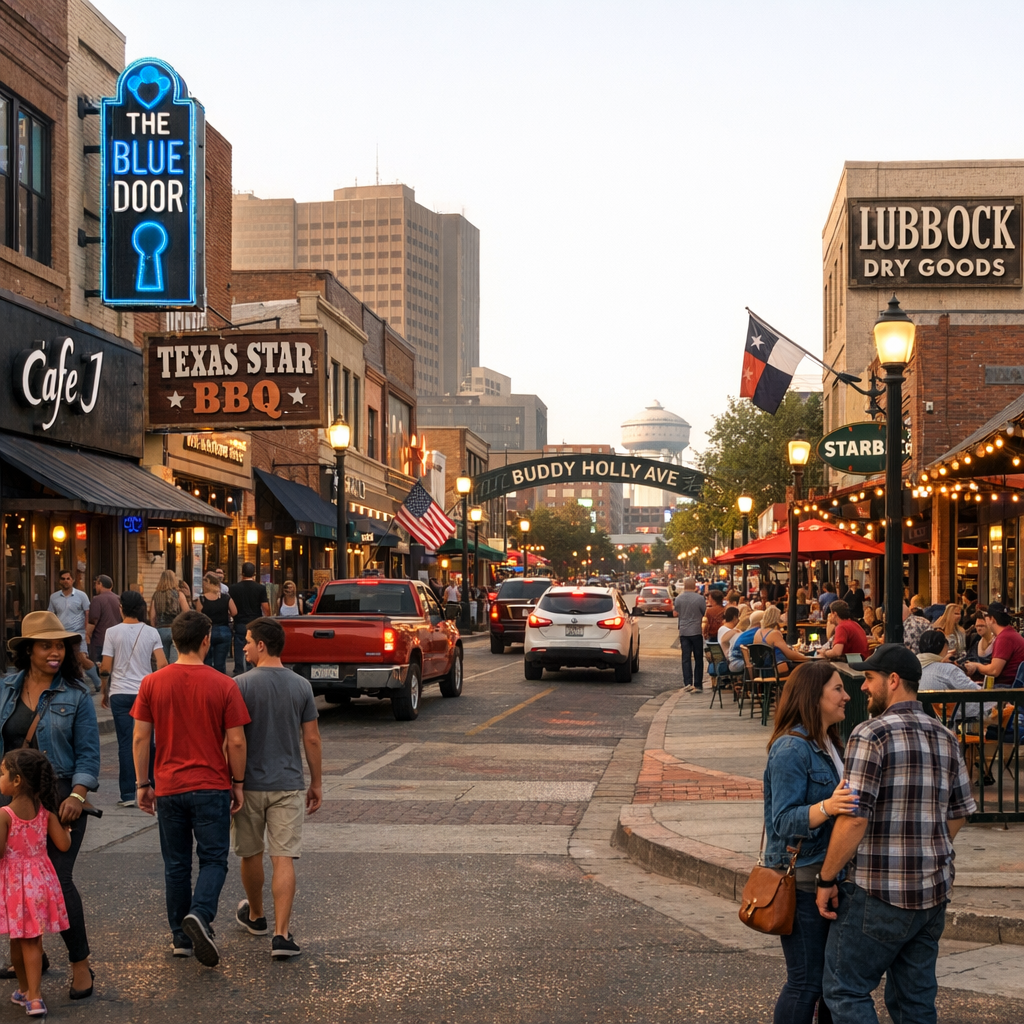
Lubbock, Texas, often referred to as the “Hub City,” has long been recognized for its strategic location and dynamic economic environment. The city’s economy is anchored by a diverse range of industries, including agriculture, education, healthcare, manufacturing, and technology, each contributing to its robust growth and resilience.
Agriculture: The Historical Backbone
Historically, agriculture has been the cornerstone of Lubbock’s economy. The region is renowned as one of the largest contiguous cotton-growing areas globally, producing a variety of crops such as sorghum, wheat, and peanuts. In recent years, Lubbock has also gained recognition as a burgeoning wine hub, with its vineyards contributing significantly to Texas’ reputation as the fifth-largest wine-producing state in the U.S. This blend of traditional farming methods and innovative agribusiness techniques underscores Lubbock’s critical role in both local and global food and fiber markets. Source
Education and Workforce Development
Education plays a pivotal role in Lubbock’s economic development. Home to Texas Tech University, a Tier One Carnegie-designated institution, along with other higher educational institutions and a community college, the city boasts a steady influx of over 16,000 college graduates entering the workforce each year. This continuous stream of talent supports various sectors, including manufacturing, technology, and healthcare, providing businesses with a skilled and adaptable workforce. Source
Healthcare: A Regional Hub
As a regional healthcare hub, Lubbock serves a large multi-county area across West Texas and eastern New Mexico. This status drives continuous growth in healthcare services, medical education, research, and supporting industries. The presence of major medical centers and research institutions enhances the city’s appeal to healthcare professionals and businesses alike. Source
Manufacturing and Technology: Emerging Frontiers
Lubbock’s manufacturing sector is diverse, encompassing advanced semiconductor production, metal fabrication, and food processing. Companies like XFAB and SIMFLO highlight the city’s capabilities in high-tech manufacturing, while Leprino Foods, a global leader in mozzarella cheese production, underscores its strength in food processing. Additionally, Lubbock is positioning itself as a burgeoning tech hub, aiming to attract startups and entrepreneurs through various incentives and development initiatives. The city’s Economic Development Alliance has partnered with Texas Tech University to foster innovation and entrepreneurship, providing resources and support for tech startups. Source Source
Infrastructure and Strategic Location
Strategically located in the heart of West Texas, Lubbock offers direct access to major highways and the BNSF rail network, connecting companies to national and international markets efficiently. The Lubbock Preston Smith International Airport further enhances the city’s connectivity, offering direct flights to several major cities. This prime positioning along the Ports-to-Plains/Interstate 27 trade corridor provides Lubbock with direct access to key markets in the U.S., Mexico, and Canada, reinforcing its role as a vital center for manufacturing, logistics, and innovation in the Southwest. Source
Economic Development Initiatives
The Lubbock Economic Development Alliance (LEDA) actively supports business growth, job creation, and community prosperity by attracting new investment and strengthening existing industries. Through a combination of tax incentives, grants, and strategic marketing efforts, LEDA has successfully positioned Lubbock as an attractive destination for investment. The city’s robust transportation network and business-friendly environment further enhance its appeal to businesses looking for efficient logistics solutions. Source
In conclusion, Lubbock’s economic landscape is characterized by its diversity, strategic location, and commitment to growth and innovation. The city’s blend of traditional industries and emerging sectors, supported by a skilled workforce and robust infrastructure, positions it as a dynamic and promising hub in West Texas.