

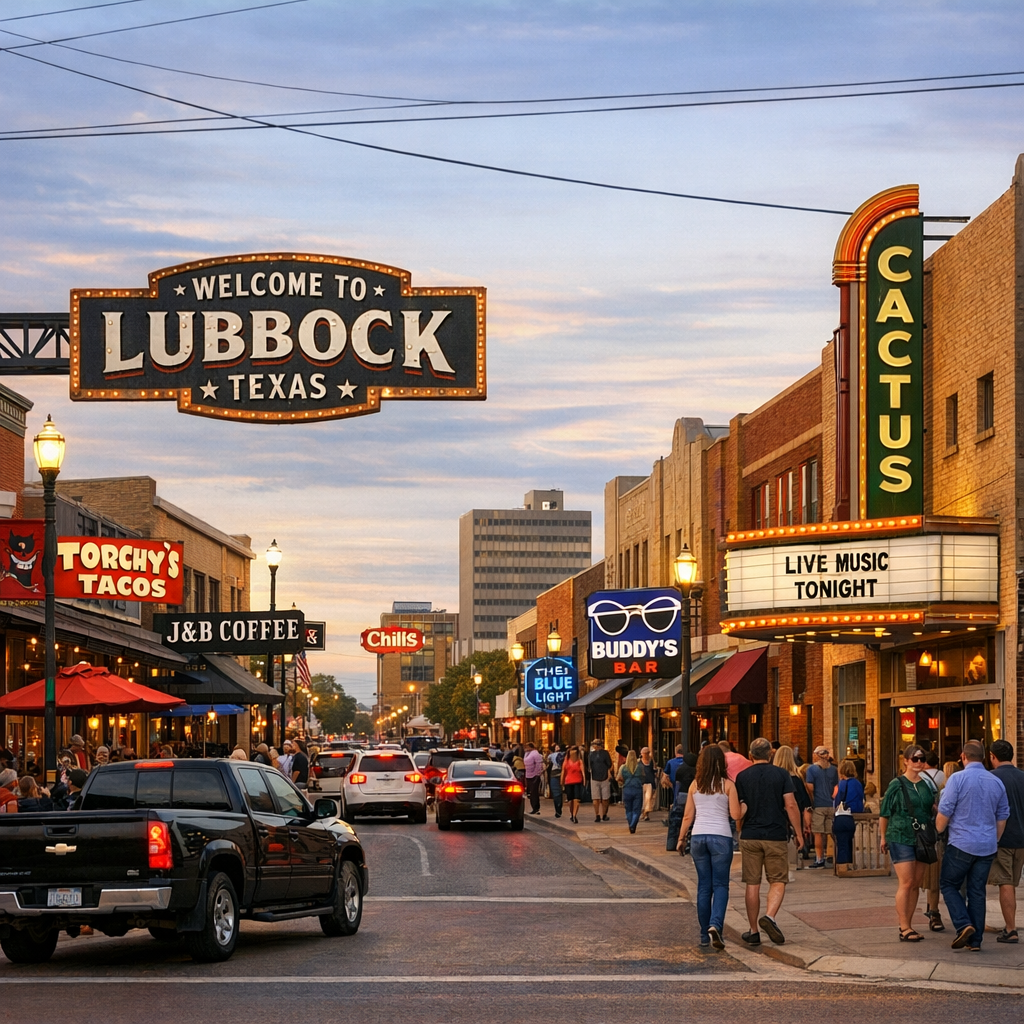
Lubbock, Texas, often referred to as the “Hub City,” has long been recognized for its pivotal role in agriculture and education. However, recent developments highlight a dynamic shift towards economic diversification, positioning Lubbock as a burgeoning center for various industries.
Agriculture: The Traditional Backbone
Historically, agriculture has been the cornerstone of Lubbock’s economy. The region is renowned for its substantial cotton production, consistently ranking among Texas’s top cotton-producing counties. Beyond cotton, the area cultivates sorghum, grains, peanuts, and supports a robust livestock industry. This agricultural foundation has fostered a network of agribusiness services, equipment dealers, and supply chain enterprises, reinforcing the sector’s significance.
Education and Healthcare: Pillars of Stability
Texas Tech University stands as a significant economic anchor, with over 40,000 students and thousands of faculty and staff. The university not only drives demand for housing, food services, and retail but also serves as a pipeline for skilled graduates and a hub for research commercialization and startup activity. Complementing this, Lubbock’s healthcare sector is experiencing rapid growth. Institutions like Covenant Health and UMC Health System employ thousands and attract patients from across the South Plains and eastern New Mexico, creating downstream demand for medical equipment suppliers, specialty practices, and professional services firms.
Emerging Industries: Technology and Manufacturing
In recent years, Lubbock has made concerted efforts to diversify its economic base. The city is actively promoting itself as a prime location for technology companies, offering tax breaks, affordable office spaces, and grants for tech-focused businesses. Partnerships between the city’s Economic Development Alliance and Texas Tech University aim to foster innovation and entrepreneurship, providing resources and support for tech startups. This initiative has already attracted several startups specializing in software development, cybersecurity, and biotech.
Manufacturing is another sector witnessing growth. Companies like Dura-Line, a global leader in telecommunications infrastructure solutions, are establishing significant operations in Lubbock. Dura-Line’s new manufacturing facility at the Lubbock Logistics Center II is expected to create numerous job opportunities, ranging from skilled manufacturing roles to administrative positions. This expansion underscores Lubbock’s growing appeal as a hub for industrial activity.
Retail and Tourism: Economic Catalysts
The retail sector in Lubbock is vibrant, fueled by the Texas Tech student population and a growing local consumer base. Popular restaurant chains such as Fuddruckers and Hawaiian Bros. Island Grill have announced plans to open new locations in the city, diversifying the dining options available to residents and visitors. These openings not only generate employment opportunities but also enhance Lubbock’s appeal as a destination for food enthusiasts.
Tourism indicators have shown positive trends, with hotel-motel tax collections rising significantly, supported by more sports events in town. This surge in visitors has created new investment opportunities, particularly in retail development downtown and in areas surrounding the city’s cultural hubs.
Strategic Location and Infrastructure
Lubbock’s strategic location provides direct access to four major U.S. highways, as well as international trade routes via Interstate 27, which connects to Canada and Mexico. The city’s robust transportation network, including the Lubbock Preston Smith International Airport, further enhances its appeal to businesses looking for efficient logistics solutions. This prime positioning along the Ports-to-Plains trade corridor reinforces Lubbock’s growing role as a vital center for manufacturing, logistics, and innovation in the Southwest.
Pro-Business Environment
The City of Lubbock’s Economic Development initiatives support business growth, job creation, and community prosperity by attracting new investment, strengthening existing industries, and fostering a vibrant local economy. The city’s pro-business environment, combined with a relatively low cost of doing business compared to larger Texas cities, makes it attractive for entrepreneurs looking to launch or expand operations.
Conclusion
Lubbock’s economic landscape is evolving, marked by diversification and growth across multiple sectors. While agriculture and education remain foundational, the city’s strategic initiatives in technology, manufacturing, retail, and tourism are paving the way for a more resilient and dynamic economy. As Lubbock continues to attract businesses and investors, its future as a thriving hub in West Texas looks increasingly promising.